Scientific illustration encompasses the creation of drawings and graphics designed to visually convey complex scientific concepts. This discipline is an integral part of any science communication effort and, in many respects, functions as a form of dissemination in its own right.

Scientific illustration is my primary area of expertise. In particular, I have specialized in the natural sciences, including biology, zoology, paleontology, geology, and anatomy.

My work, often conducted in close collaboration with researchers, science communicators, and museum curators, goes beyond simply following directives. It is grounded in thorough study of the subjects and topics at hand, which forms the foundation of my creative process. This approach facilitates collaboration with scientific supervisors, allowing them to engage confidently with someone fluent in the language of their field, thereby streamlining and optimizing the workflow.
TYPES OF ILLUSTRATIONS

ANATOMICAL

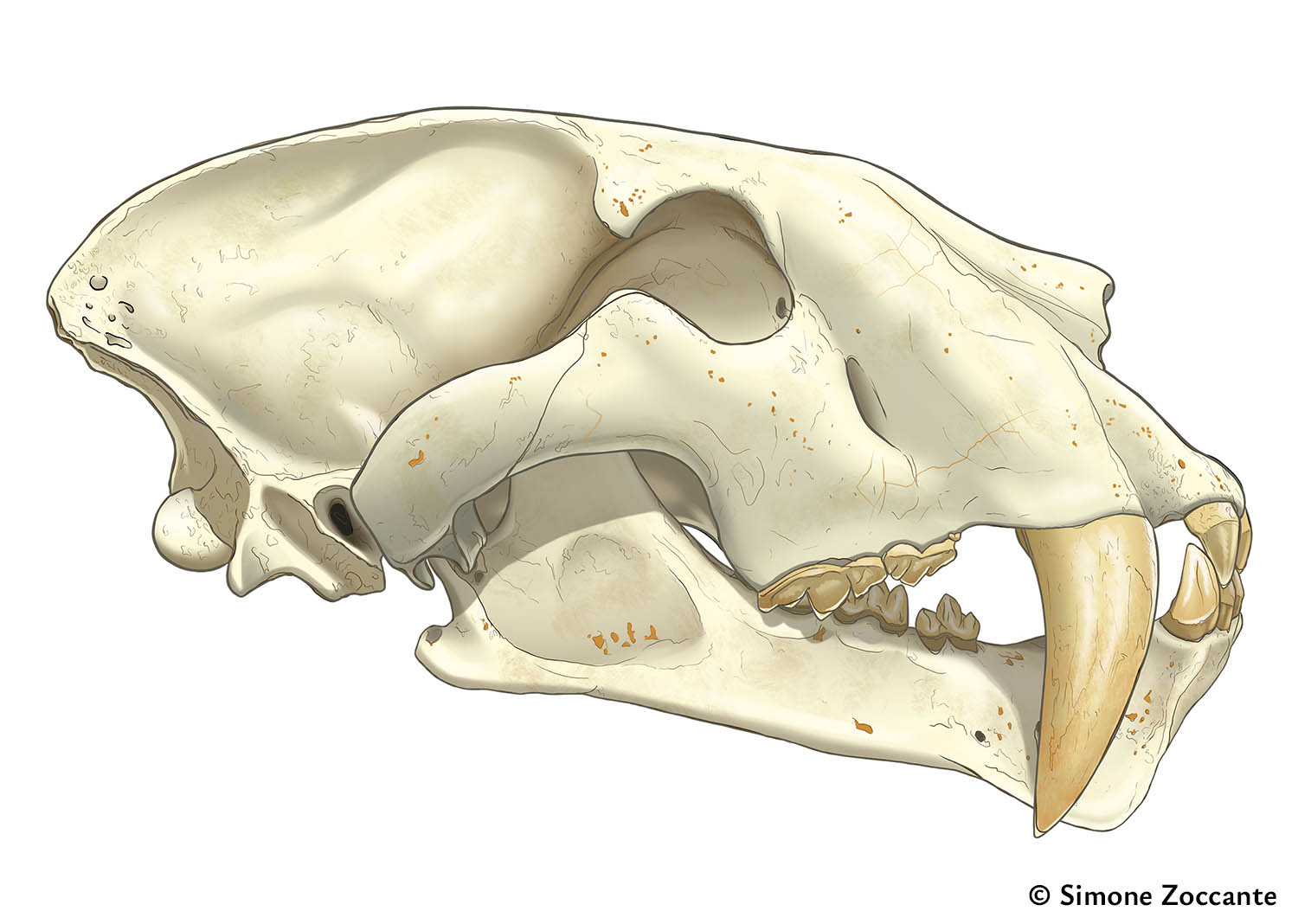
Anatomical scientific illustration, including skeletal, muscular and organ systems, is among the most frequently requested types of work I undertake and constitutes an important part of my workflow.

Anatomical illustration can be applied to both living and extinct organisms. This type of illustrationare frequently commissioned for specialized scientific publications, technical manuals, and artistic drawing guide.. More broadly, it can also be incorporated into educational or editorial infographics aimed at science communication.

On the left is a cranial reconstruction of the extinct felid Amphimachairodus giganteus, part of a project developed for museum reconstruction purposes.

FULL SUBJECTS

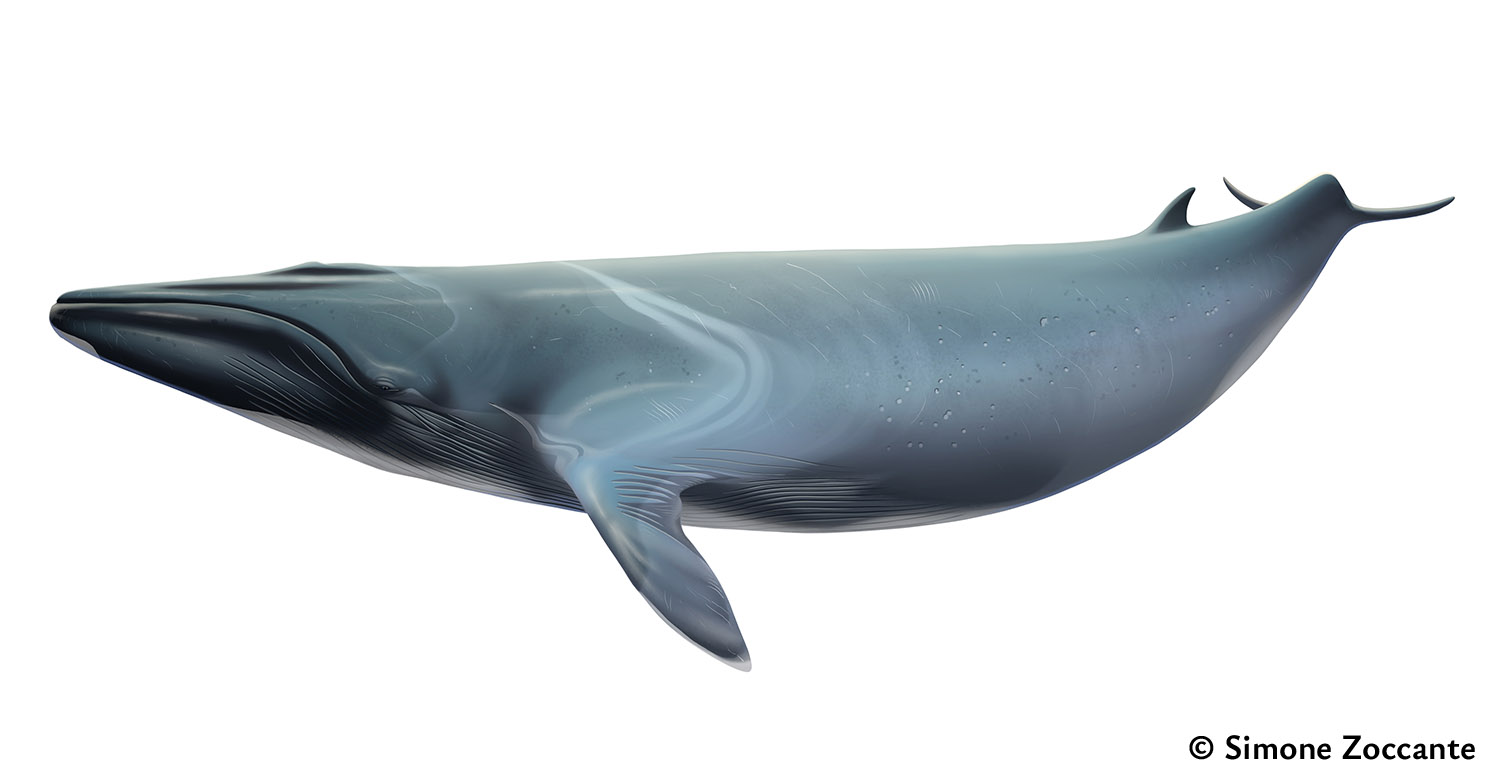
Full-body illustration is also in high demand, due to the wide range of potential applications. This category includes illustrations created for books (such as field guides) and display panels for museums and zoological gardens.

When creating a subject of this type, I conduct extensive research on references to produce a model that accurately summarizes the key distinguishing features of the species. The same rigorous approach is applied to the reconstruction of extinct animals, which includes careful study of fossils, skeletal structures and relevant scientific literature.


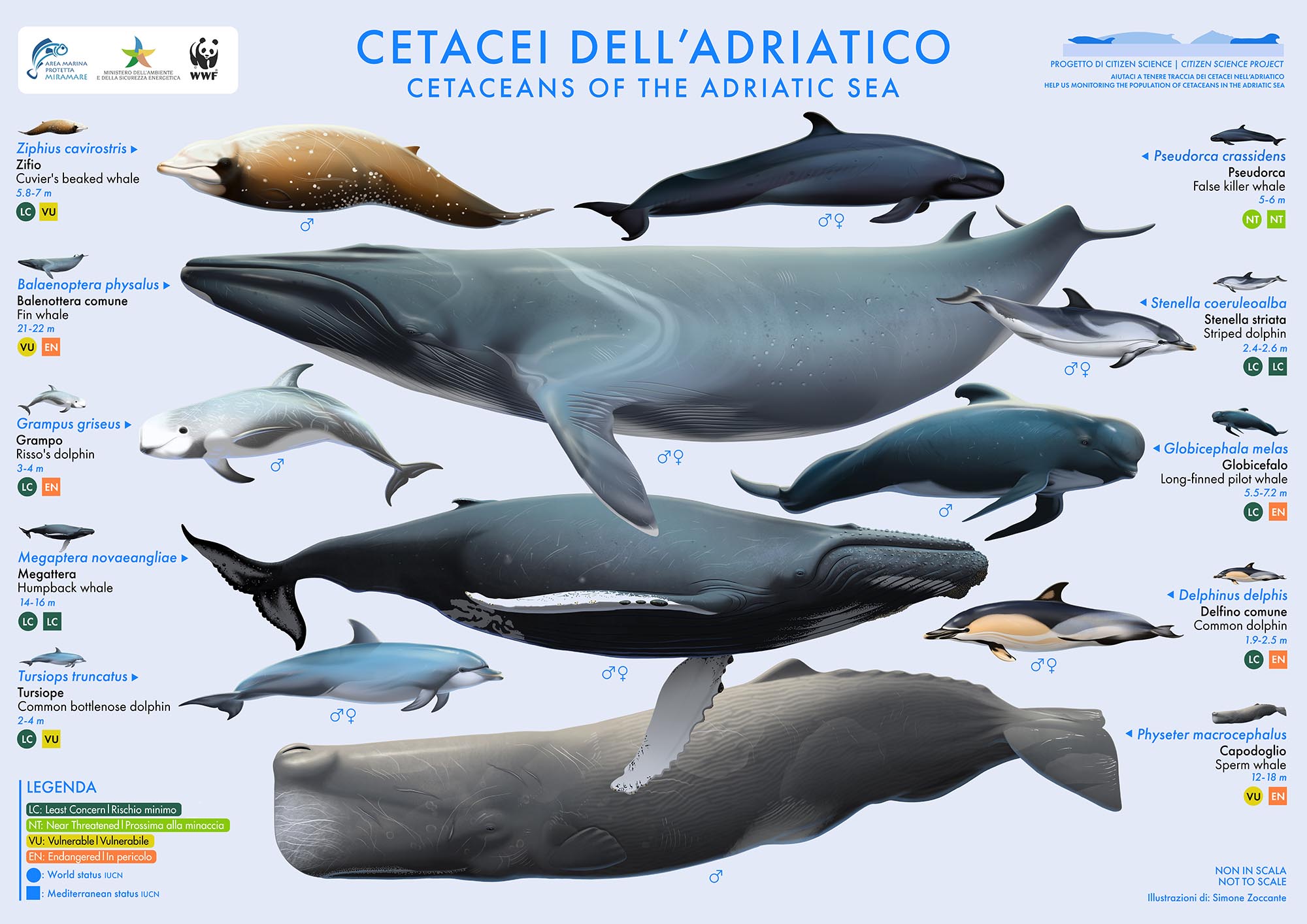
On the left is an illustration of a fin whale (Balaenoptera physalus), produced for a conservation and citizen science project in collaboration with WWF Italy and the Miramare Marine Protected Area in Trieste.

INFOGRAPHICS

Infographics are another highly requested element and often represent an ideal application of the previous two areas, aimed at communicating scientific concepts to a broad audience.

Their versatility lies in the use of a visual language that conveys information independently of the viewer’s spoken language. Infographics can be applied in both publishing and the creation of exhibition pathways. My workflow encompasses a variety of visual styles, ranging from vintage and historically inspired designs to modern and dynamic compositions.

In collaboration with professionals who are regularly part of my team, it is also possible to produce animated versions of requested infographics.


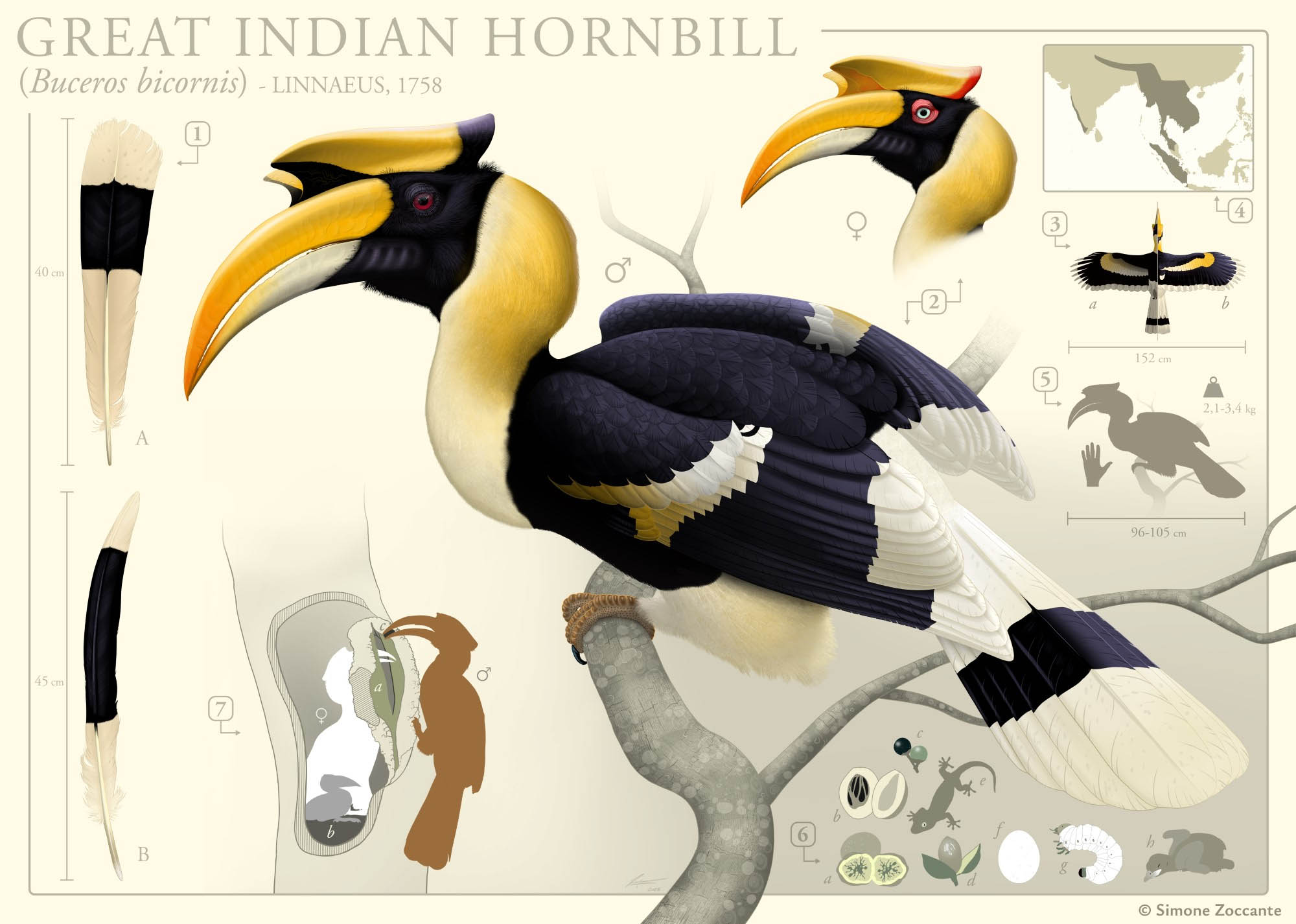
On the left is an infographic summarizing the key aspects for identifying the habits of the Great Indian Hornbill (Buceros bicornis), serving as a strong example of a retro-inspired approach.

APPLICATIONS

WILDLIFE CONSERVATION

Wildlife conservation and awareness are key areas for the application of scientific illustration, particularly through the use of infographics. The subjects engage the viewer’s imagination in a more direct and compelling way than plain photographs, helping to establish a connection and fascination with the species represented.

Infographics also allow viewers to visualize data that are essential for understanding conservation dynamics and for effectively promoting related messages and objectives.


On the left is an infographic of cetaceans in the Adriatic Sea, created for a conservation and citizen science project in collaboration with WWF Italy and the Miramare Marine Protected Area in Trieste.

MUSEUM EXHIBITION

Setting up a museum or exhibition space is far from simple.

The mere presence of artifacts or, in the case of a zoological garden, the species on display, is often insufficient for visitors to fully understand and contextualize what they are observing. In a world saturated with rapid stimuli, a standalone museum specimen can sometimes appear too static, diverting the viewer’s attention.

An exhibition experience enhanced with panels that are not only informative but also capable of stimulating the imagination and emotions of visitors can make the difference between a forgettable visit and a memorable one. As an avid museum-goer myself, I have always been attentive to the design of exhibition panels, and throughout my career I have specialized in creating panels that enrich the visitor experience while meeting the specific needs of the exhibition.


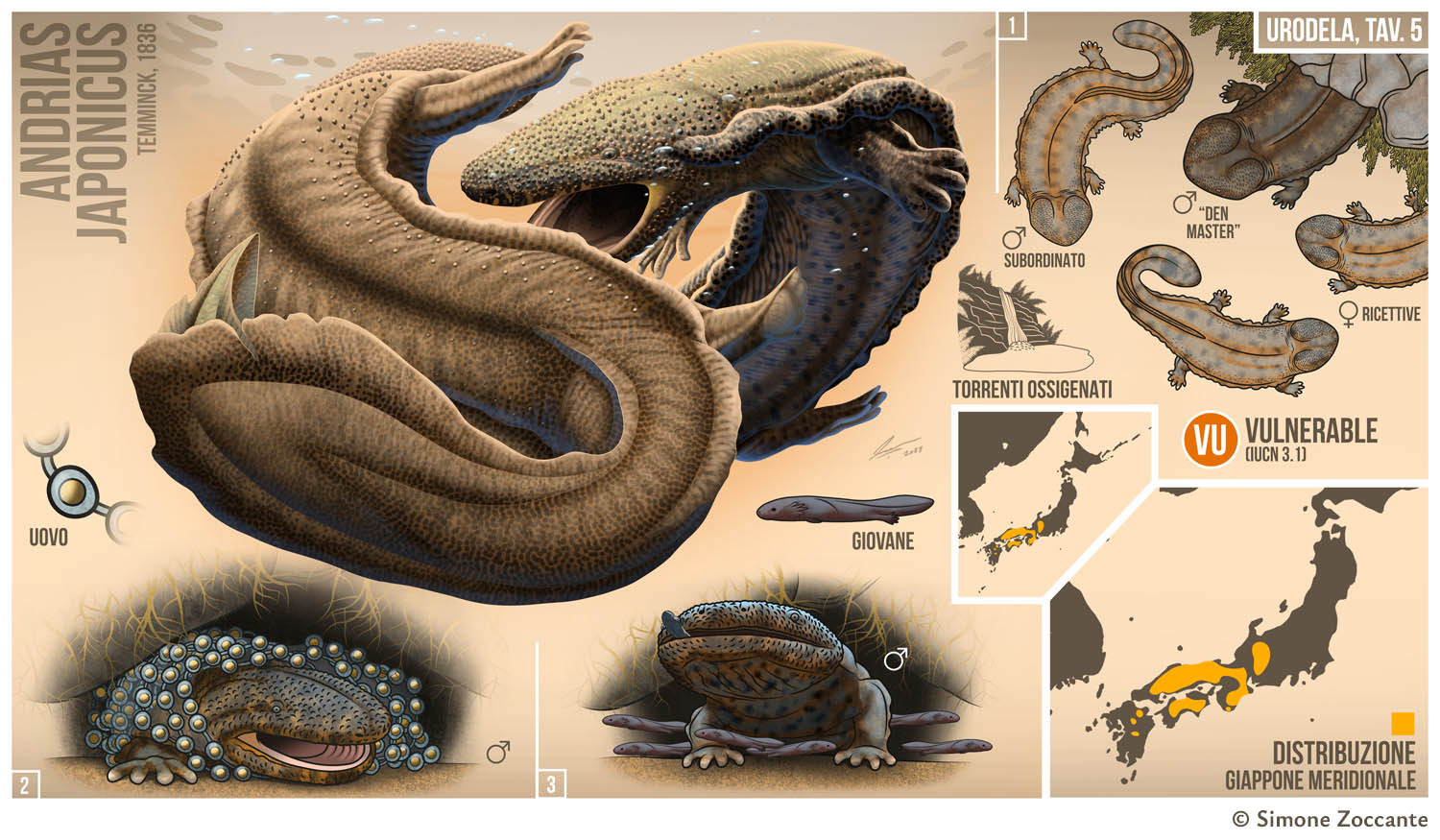
On the left is a panel illustrating the reproductive habits of the Japanese giant salamander (Andrias japonicus), created for the exhibition Amphibia, first displayed at the Natural History Museum of Genoa in 2024.

FIELD GUIDES

Understanding nature relies heavily on guides and technical manuals, which not only provide essential information for species identification but also offer valuable insights on how to support their protection and manage interactions with them.

Accurate science communication depends on detailed and precise scientific illustrations. In a world increasingly affected by generative AI, it has become more challenging to distinguish reliable sources from unreliable ones: a challenge that extends to wildlife education and identification. To address this, my work remains rooted in direct observation and rigorous research, ensuring that every illustration is visually accurate and scientifically reliable.

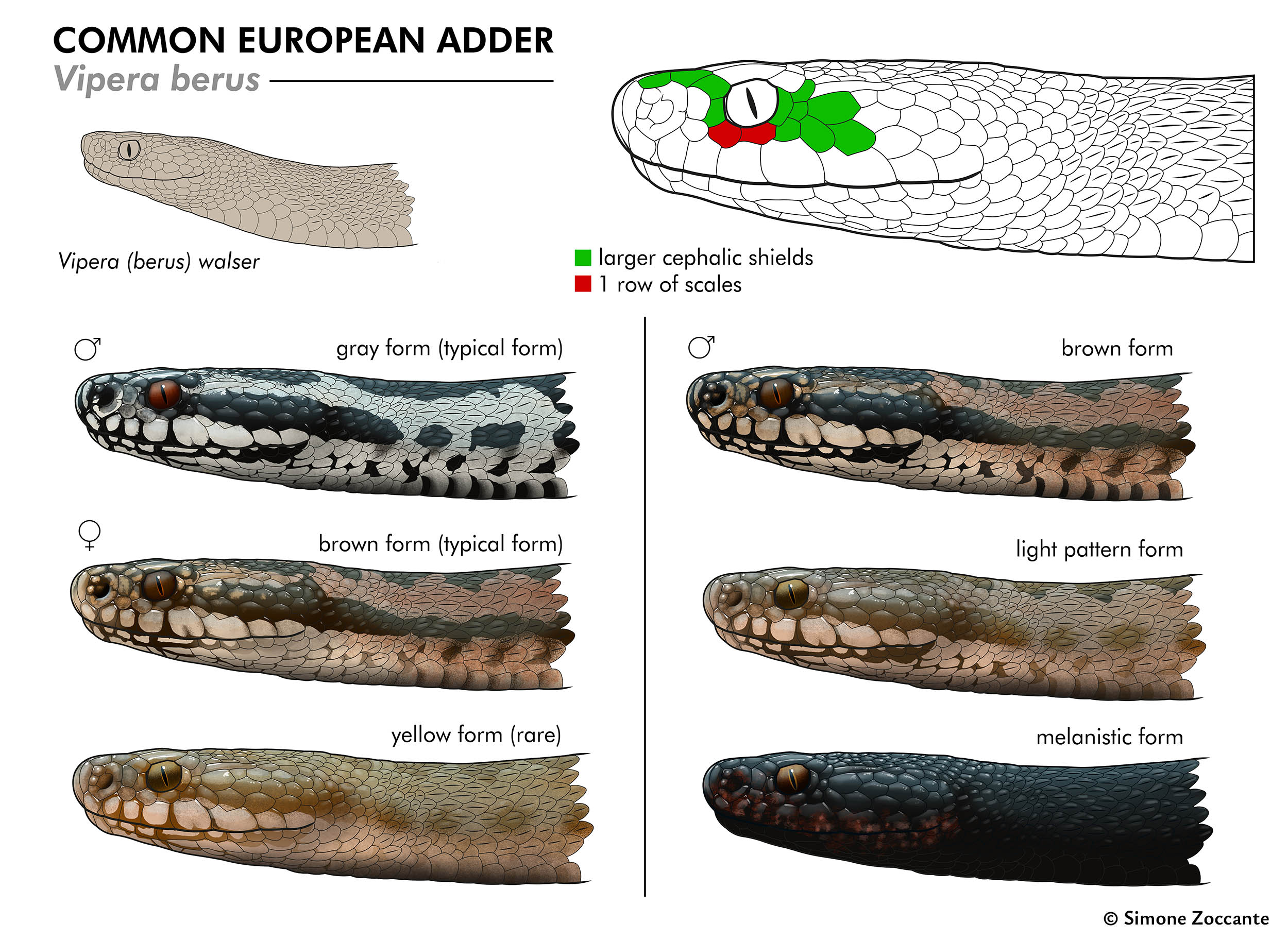
On the side is an example of a plate I created for a web-based educational project focused on the identification of Italian vipers and the proper conduct to follow when encountering them. This plate depicts the common European adder (Vipera berus), one of the most widespread vipers in the Alpine region.

SCIENTIFIC PAPERS

When it comes to scientific papers, it is often assumed that the textual content and data analysis are all that matters. While this may be true from a strictly academic perspective, there are fields, such as paleontology, where the illustration component is fundamental. Illustrations are not only essential for visualizing the data and concepts described in the text, but they also play a key role in promoting and disseminating the research itself.

Today, when a scientific article on a paleontological topic is published, it is often accompanied by a robust promotion campaign across the web and social media. In such cases, having an engaging and evocative visual can be the crucial element that enhances the visibility and impact of the research. Within the academic sphere, a paper supported by high-quality illustrations can become a success story: it facilitates the circulation of knowledge and can serve as a strategic asset that opens up new opportunities for both the research team and individual scientists.

Through close collaboration with the research team, I transform the concepts and results of the study into detailed and accurate illustrations. These visuals are intended to complement the text, facilitate interpretation, and increase the visibility and impact of the research.


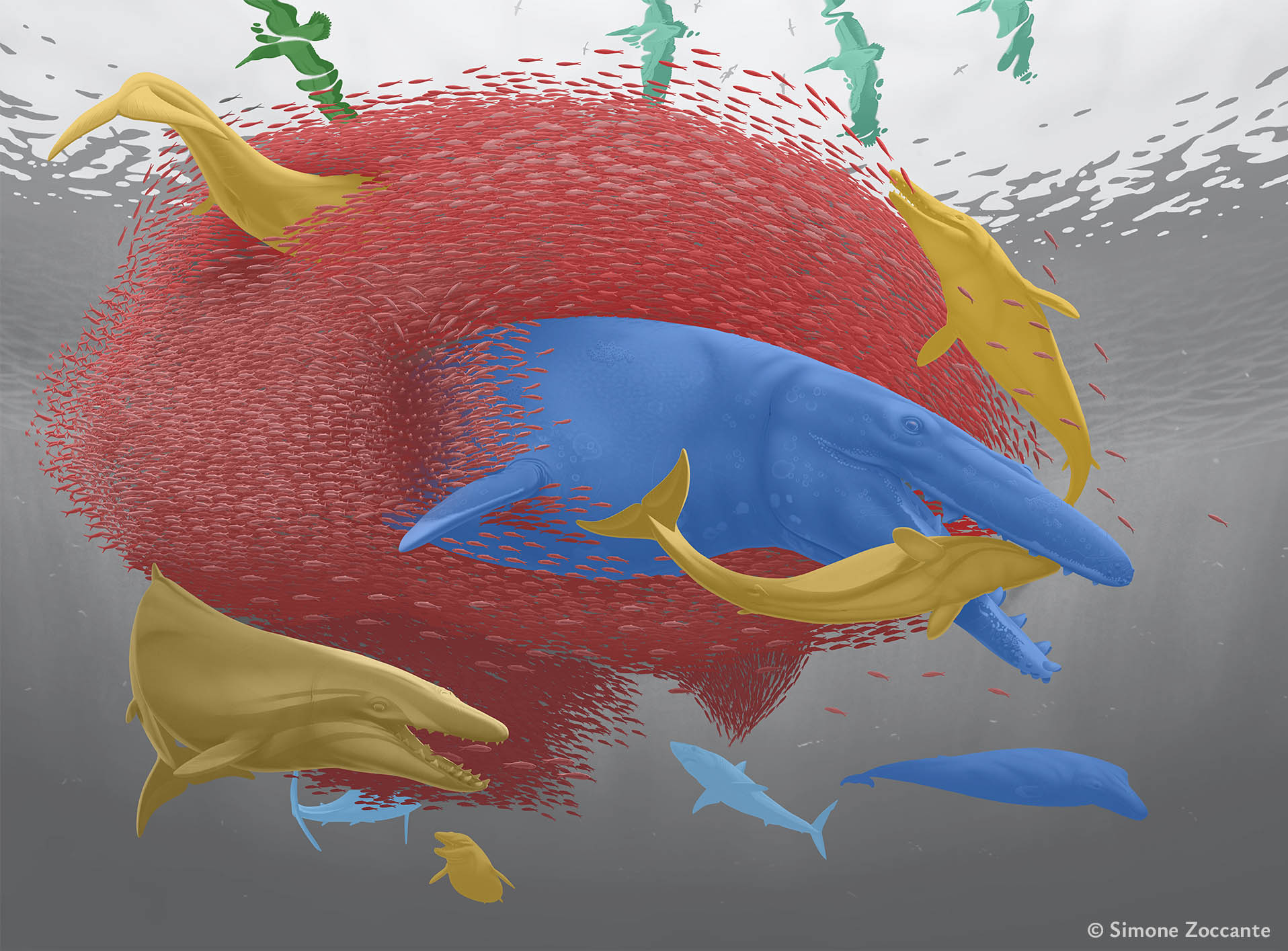
On the left is a summary infographic of the biota from the Egyptian site of Wadi al-Hitan (Eocene).

If you’re interested in working together, feel free to contact me at simonezoccante@gmail.com. Thank you.

All images © Simone Zoccante 2018-2026.
Please do not reproduce without the written consent of Simone Zoccante.